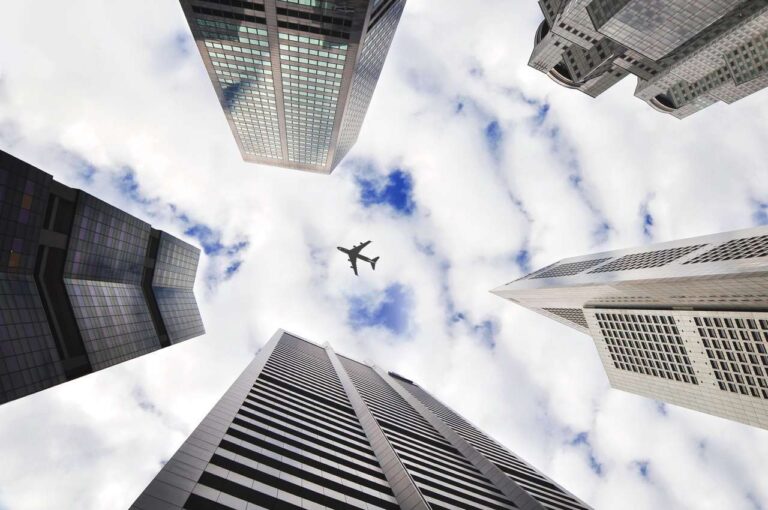
As our cities grow denser and our buildings climb higher, the patches of green between them are often the first things to vanish. We treat parks and gardens as “nice-to-have” luxuries rather than essential infrastructure. However, a growing body of scientific evidence suggests that urban green spaces are not just aesthetic additions—they are fundamental to our physical health, mental resilience, and the ecological survival of our cities.
1. The “Lung” Effect: Air Quality and Temperature
Cities suffer from the Urban Heat Island effect, where concrete and asphalt absorb and radiate heat, making urban centers significantly hotter than surrounding rural areas.
- Natural Cooling: Trees and plants provide shade and release moisture through transpiration, which can lower local temperatures by several degrees.
- Pollution Filters: Leaves act as biological filters, trapping particulate matter (dust and smoke) and absorbing harmful gases like nitrogen dioxide. In a concrete jungle, a single large tree can produce enough oxygen for two people.
2. The Psychology of the “Soft Fascination”
Living in a city requires “directed attention”—constantly navigating traffic, avoiding crowds, and processing signs. This leads to mental fatigue.
- Restorative Environments: According to Attention Restoration Theory (ART), natural environments provide “soft fascination.” Looking at a tree or a flowing pond allows the brain to rest its focused attention and recover from the stress of urban stimuli.
- Social Cohesion: Parks act as the “living rooms” of a city. They are one of the few places where people from all walks of life gather, fostering a sense of community that is often lost in high-rise living.
3. Physical Health and Longevity
Access to green space is directly linked to increased physical activity. When people have safe, attractive parks within a 10-minute walk, they are more likely to exercise.
- Cardiovascular Benefits: Studies have shown that residents in “greener” neighborhoods have lower rates of heart disease and stroke.
- Immune Support: Exposure to the diverse microbes found in healthy soil and plants helps “train” our immune systems, potentially reducing the prevalence of allergies and chronic inflammation.
4. Urban Biodiversity and Resilience
Green spaces aren’t just for humans; they are vital corridors for wildlife.
- Supporting Pollinators: Urban gardens provide essential food sources for bees and butterflies, which are critical for our food systems.
- Flood Management: In a world of increasing extreme weather, permeable green surfaces absorb rainwater, preventing the overwhelming of city drainage systems and reducing the risk of flash flooding.
Conclusion
Green space is not a decoration; it is a necessity for a functional, healthy society. As we continue to build the cities of the future, we must prioritize “biophilic design”—integrating nature into the very fabric of our urban life. A city that breathes is a city that thrives. Next time you walk through a local park, remember: that patch of green is working hard to keep you healthy, cool, and connected.
About the Author